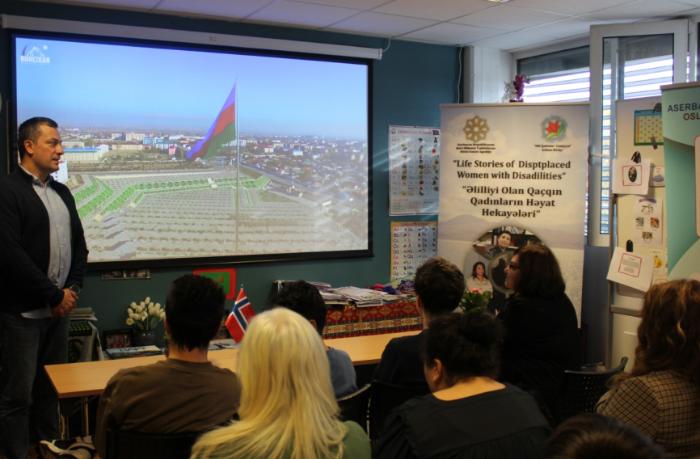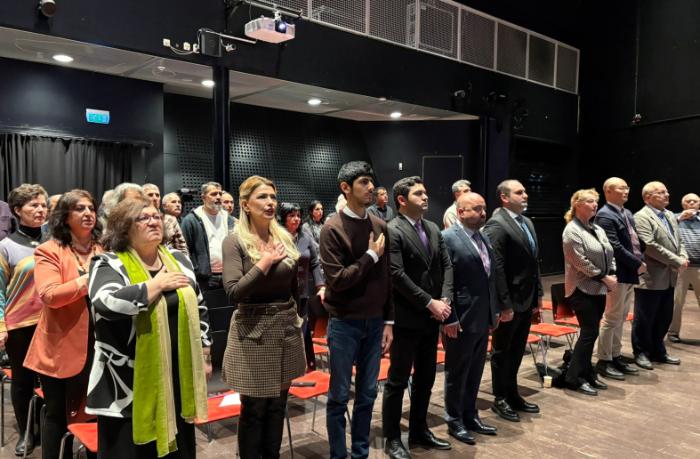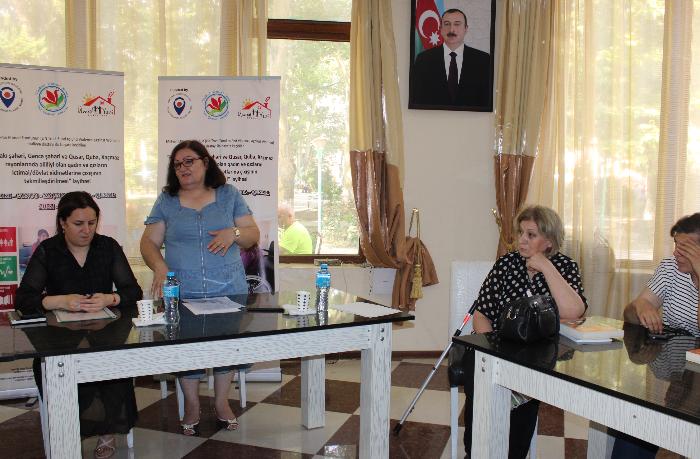
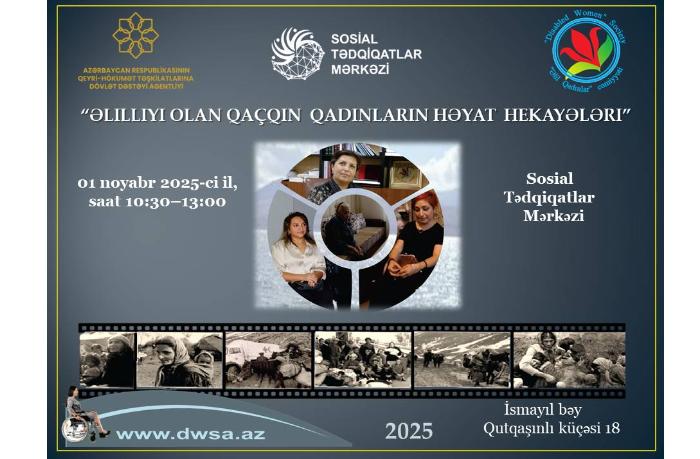
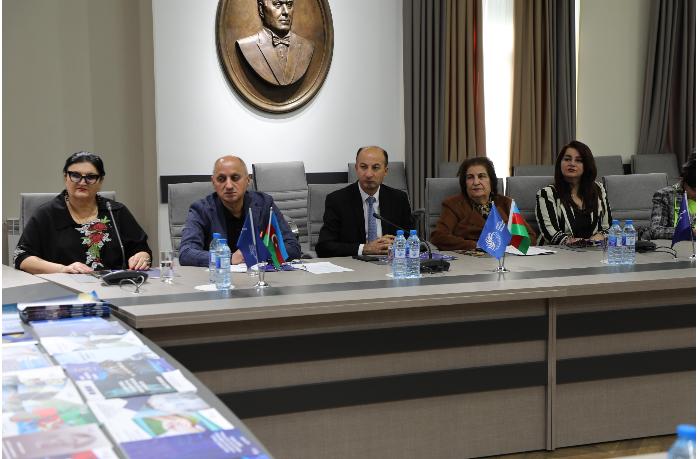
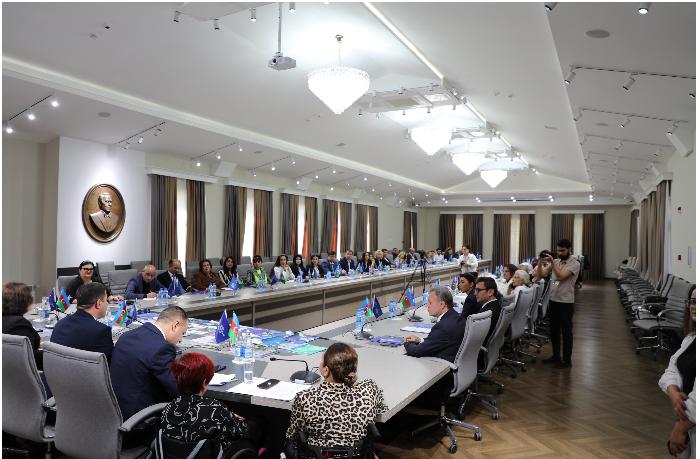
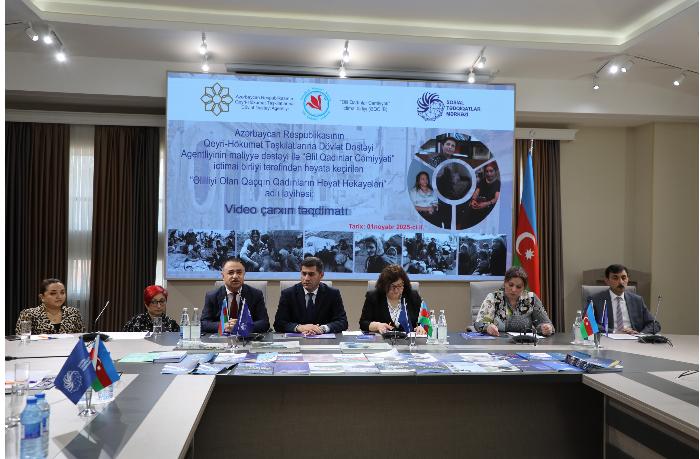
On 1 November 2025, in the city of Baku, at the Social Research Centre (Ismayil bey Qutqashinli Street 18), a screening of the video-feature produced under the project titled “Life Stories of Refugee Women with Disabilities” was held. The project is implemented by the public association “Disabled Women’s Society” with the financial support of the State Agency for Support to Non-Governmental Organisations. The event commenced with the playing of the State Anthem of the Republic of Azerbaijan and a minute of silence in memory of the martyrs who sacrificed their lives for our country’s territorial integrity and independence. In her opening address, Ms Mahlugə Qaramanlı (Rəhimova), Chair of the “Disabled Women’s Society” Public Association, provided an overview of the project’s objectives and its social and humanitarian significance. Dr Mahir Qəribov, PhD in History and Head of the History Department of the Public-Political Programmes Studio at Azerbaijan Television and Radio
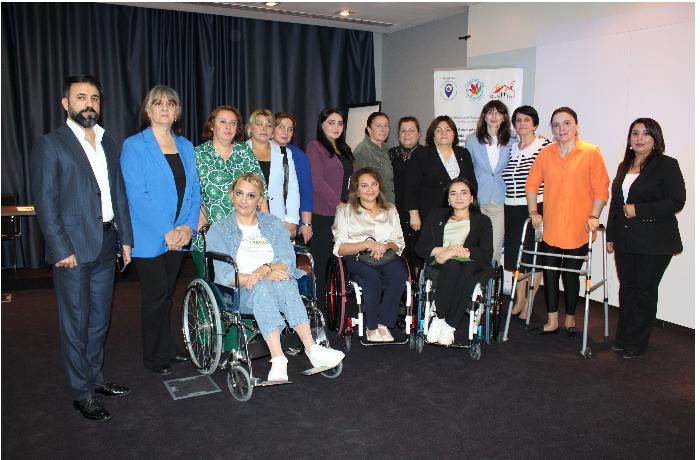
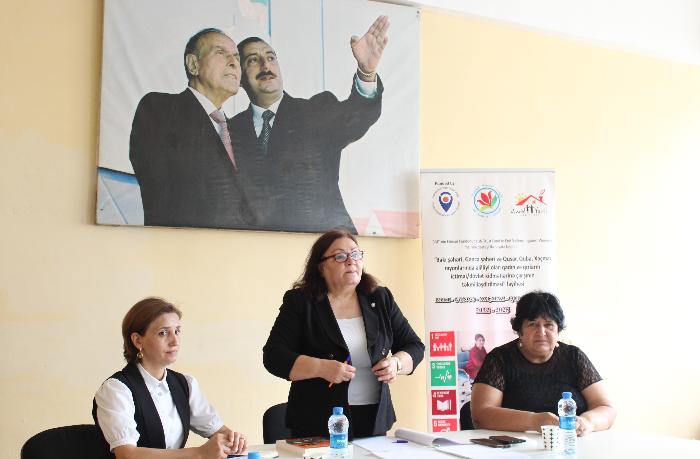
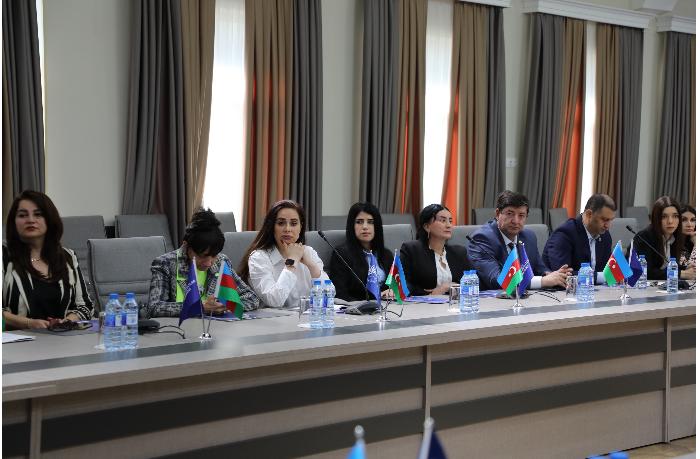
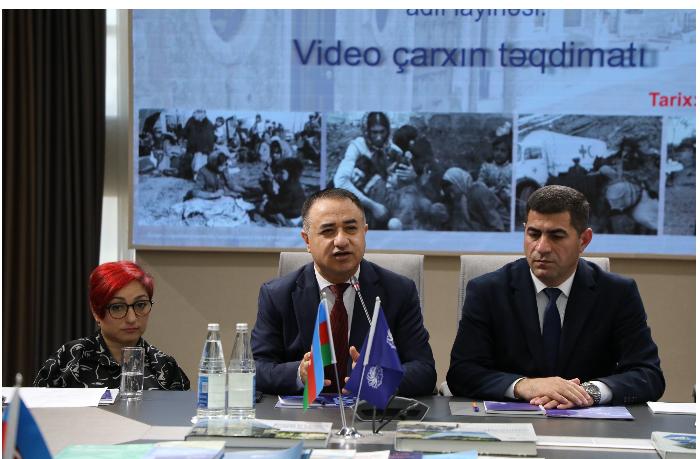
Broadcasting CJSC, the scenario author of the project, presented the rationale and production process of the video feature. The screening featured a film directed and shot by Mr Rahim Sadıqbəyli, commissioned by the “Disabled Women’s Society”. The video portrays the life stories of refugee women with physical disabilities, the challenges they face, their perseverance and efforts to integrate into society. Following the screening, a panel discussion took place, featuring: Mr Hikmət Babaoğlu, Deputy of the Milli Majlis; Mr Emil Hüseynli, Deputy Chairman of the Board of the Agency for Development of Small and Medium-Sized Enterprises; Mr Əfqan Vəliyev, Sector Director at the Social Research Centre; Mr Müqalib Mahmudov, Sector Director for International Organisations and Civil Society Institutions at the Ombudsman’s Office; Mr Şahin Əliyev, representative of the DOST Agency; Mr Nurəddin Mehdiyev and Mr Zaur İbrahimli, members of the Supervisory Board of the Agency for Support to Non-Governmental Organisations; as well as Ms Heyran Abbasova (originally from Zəngibasar, currently residing in California, USA) and Ms Arzu (residing in Finland), among other speakers. The speakers emphasised the public, moral and scholarly relevance of the initiative, underlining how such endeavours play a crucial role in bringing to the international arena the rights of refugee women with disabilities and the realities of West Azerbaijan. At the conclusion of the event, Ms Səidə Qurbanova, expert of the project, addressed representatives of international organisations and diplomatic corps and delivered the official Statement of the “Disabled Women’s Society” Public Association. The Statement highlighted the project’s goals, the protection of women’s rights, the pursuit of social justice, and the necessity of presenting the historical truths of refugee women from West Azerbaijan to the international community. The event closed with expressions of gratitude to participants and a commemorative photo session.
About the Project
The project is implemented by the “Disabled Women’s Society” Public Association, winner of the 2025 Major Grant Competition of the State Agency for Support to Non-Governmental
Organisations. The initiative aims to document and present the dramatic life stories of women with physical disabilities who were deported from West Azerbaijan (present-day territory of Armenia) for ethnic and political reasons in the years 1948–1953 and 1988.
The project is grounded in the following international legal instruments:
Broadcasting CJSC, the scenario author of the project, presented the rationale and production process of the video feature. The screening featured a film directed and shot by Mr Rahim Sadıqbəyli, commissioned by the “Disabled Women’s Society”. The video portrays the life stories of refugee women with physical disabilities, the challenges they face, their perseverance and efforts to integrate into society. Following the screening, a panel discussion took place, featuring: Mr Hikmət Babaoğlu, Deputy of the Milli Majlis; Mr Emil Hüseynli, Deputy Chairman of the Board of the Agency for Development of Small and Medium-Sized Enterprises; Mr Əfqan Vəliyev, Sector Director at the Social Research Centre; Mr Müqalib Mahmudov, Sector Director for International Organisations and Civil Society Institutions at the Ombudsman’s Office; Mr Şahin Əliyev, representative of the DOST Agency; Mr Nurəddin Mehdiyev and Mr Zaur İbrahimli, members of the Supervisory Board of the Agency for Support to Non-Governmental Organisations; as well as Ms Heyran Abbasova (originally from Zəngibasar, currently residing in California, USA) and Ms Arzu (residing in Finland), among other speakers. The speakers emphasised the public, moral and scholarly relevance of the initiative, underlining how such endeavours play a crucial role in bringing to the international arena the rights of refugee women with disabilities and the realities of West Azerbaijan. At the conclusion of the event, Ms Səidə Qurbanova, expert of the project, addressed representatives of international organisations and diplomatic corps and delivered the official Statement of the “Disabled Women’s Society” Public Association. The Statement highlighted the project’s goals, the protection of women’s rights, the pursuit of social justice, and the necessity of presenting the historical truths of refugee women from West Azerbaijan to the international community. The event closed with expressions of gratitude to participants and a commemorative photo session.
About the Project
The project is implemented by the “Disabled Women’s Society” Public Association, winner of the 2025 Major Grant Competition of the State Agency for Support to Non-Governmental
Organisations. The initiative aims to document and present the dramatic life stories of women with physical disabilities who were deported from West Azerbaijan (present-day territory of Armenia) for ethnic and political reasons in the years 1948–1953 and 1988.
The project is grounded in the following international legal instruments:
- The UN Charter
- The Universal Declaration of Human Rights (1948)
- The 1951 Convention relating to the Status of Refugees and its 1967 Protocol
- The Convention on the Rights of Persons with Disabilities (CRPD)
- The Convention on the Elimination of All Forms of Discrimination against Women
- (CEDAW)
- The UNHCR Principles on Voluntary, Safe and Dignified Return
Conclusion
The event offered a significant platform both for academic discussion and public education. By anchoring its work in international law and human rights principles, the project elevates the voices, perseverance and lived experiences of refugee women with disabilities, and marks an important step toward promoting inclusivity, social justice and gender equality within Azerbaijani society.
The event offered a significant platform both for academic discussion and public education. By anchoring its work in international law and human rights principles, the project elevates the voices, perseverance and lived experiences of refugee women with disabilities, and marks an important step toward promoting inclusivity, social justice and gender equality within Azerbaijani society.